UniClaw
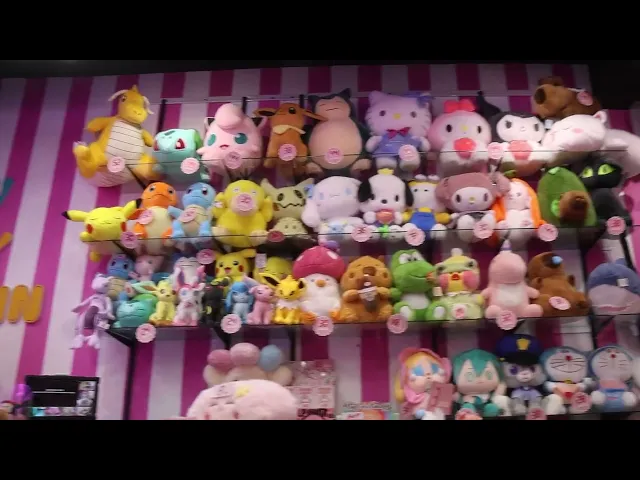
"UniClaw" is a one-minute silent documentary showcasing Waterloo's claw machine arcade located on University Avenue West.
OVERVIEW:
This assignment focused on how to visually story-tell without audio. The assignment required selecting any location or site and showcasing it within a one-minute video.
ROLE:
INDEPENDENT PROJECT - VIDEOGRAPHY
DURATION:
SEPT 2025
TOOLS:
PREMIERE PRO
CANON R7
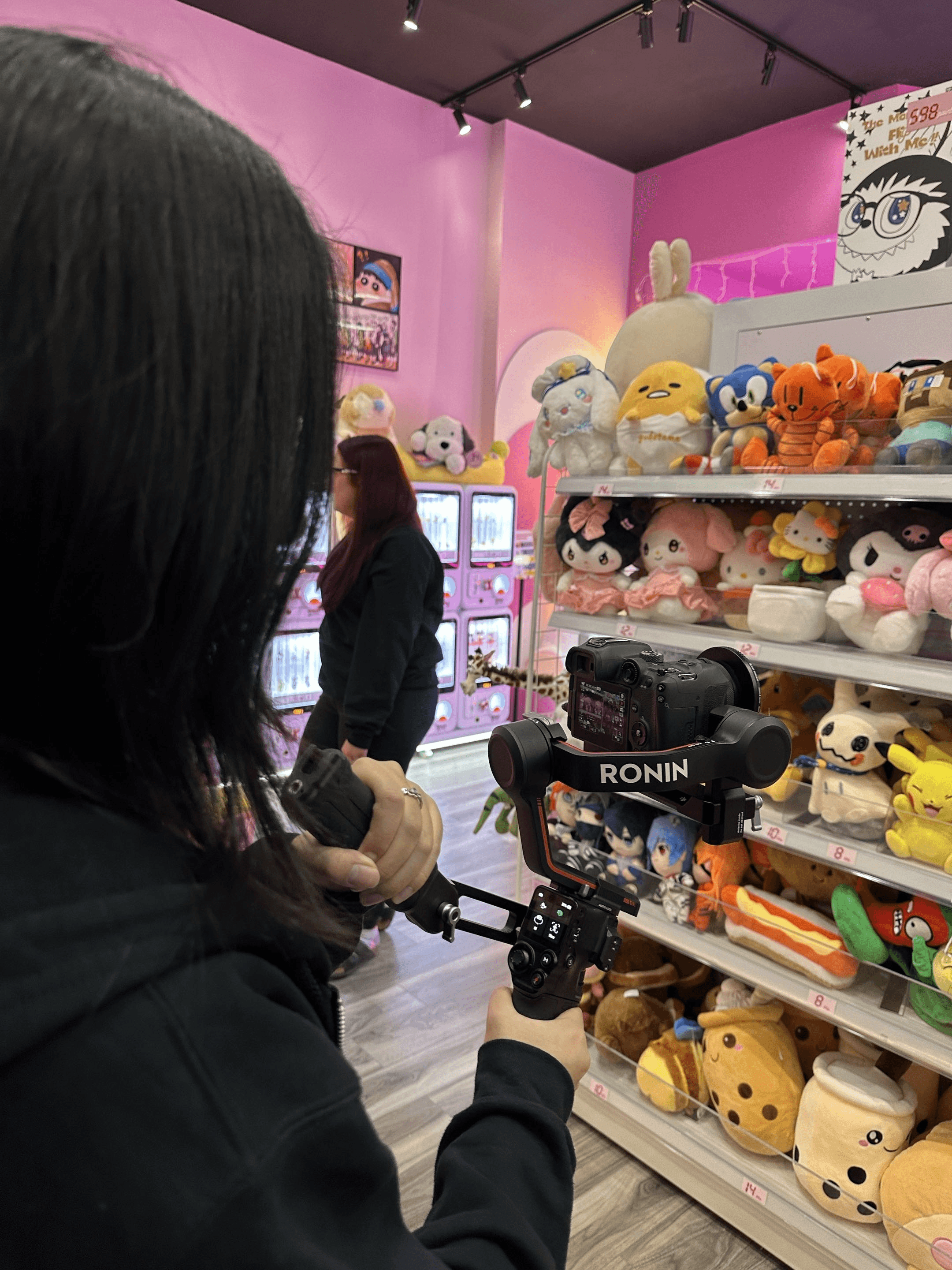
DJI RS3 PRO GIMBAL
SYNOPSIS:
In the heart of a bustling district, Uniclaw draws in young crowds with its buzz of excitement and fun, challenging one’s skill and luck at its claw machines. Families with young children, post secondary students, and even claw machine enthusiastics find all joy at Uniclaw. Filled with neon lights and a pop of bright colours, the arcade offers a playful atmosphere where players strive to win the adorable plushies and prizes. With a wide range of machines to choose from, visitors can eye down specific rewards or take on a bigger challenge. Using each token wisely, some players aim for easier grabs while others take on the challenge and save up credits for larger prizes. The air is filled with youthful energy and the thrill of victory, keeping visitors coming back again and again.
PROCESS AND CHALLENGES:
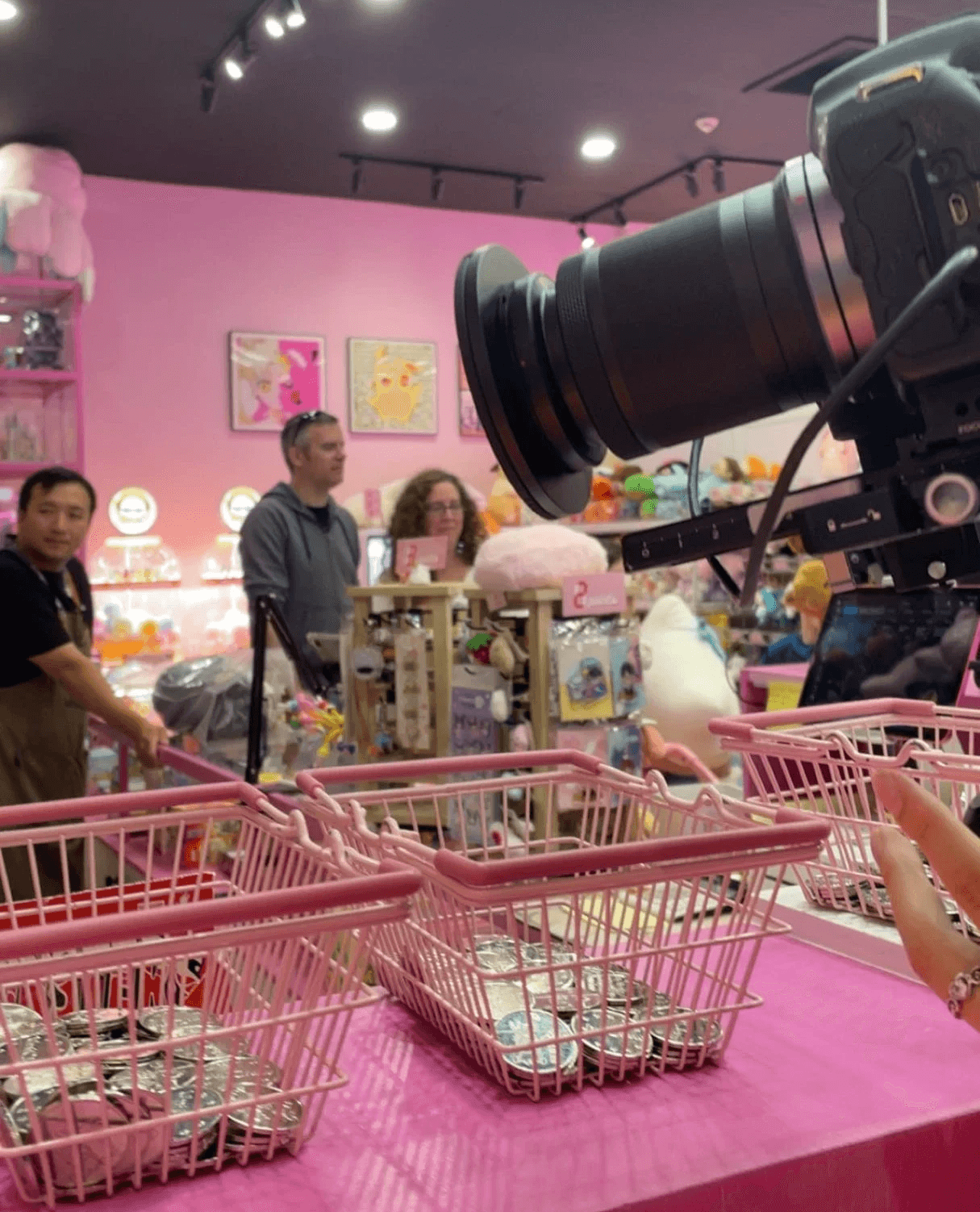
Before filming, I developed a treatment and production plan outlining the desired shots and required equipment. I also visited the location beforehand to better understand the atmosphere and visual style I wanted to achieve.
One challenge I faced when creating this was how to cut down the rough-cut to meet the one-minute requirement. With the rough-cut being 1m 30s, it was hard to decide which parts to cut out/speed up without omitting any relevant scenes that showcase the arcade. In my opinion, the rough-cut was more visually appealing since it wasn't as sped up as the final-cut.
With the shots I envisioned, it required me to learn how to use a gimbal. Learning how to use a DJI gimbal was a learning curve for me, especially filming with it for the first time. The movements were very different from handheld shots and required a lot of strength and balance. The hardest part of the gimbal was learning how to pan properly using the joy-stick, being very sensitive to input.
RETROSPECTIVE:
This project was crucial in my journey as a videographer, focusing on visual communication without any other element. Learning how to use the gimbal also improved my videography skills, allowing me to film shots that would be very difficult to achieve in handheld mode. I also played around with speed ramps and transitions for this project, making each scene feel seamless and engaging for viewers. Overall, I am proud of the work I put in towards this project and continue to improve my videography skills with the gimbal and editing techniques I learned from this assignment.