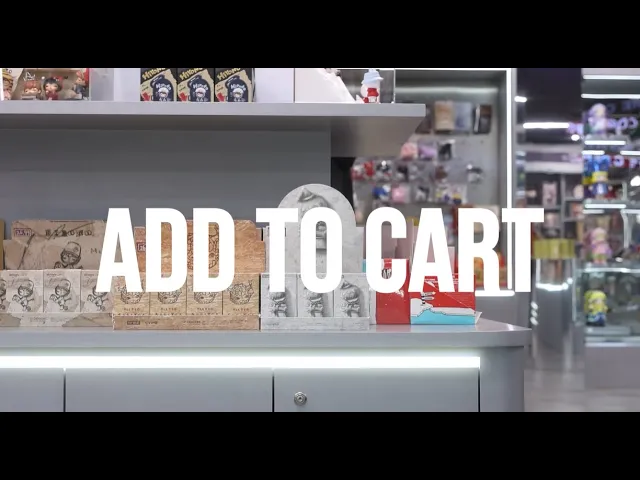
Add to Cart
"Add to Cart" is a short documentary focusing on over-consumerism and collectibles. Created by Alisa Tran, Loreena Lin, Bernice Tang, and myself, we were able to produce and film a 9 minute documentary within a month timeline.
OVERVIEW:
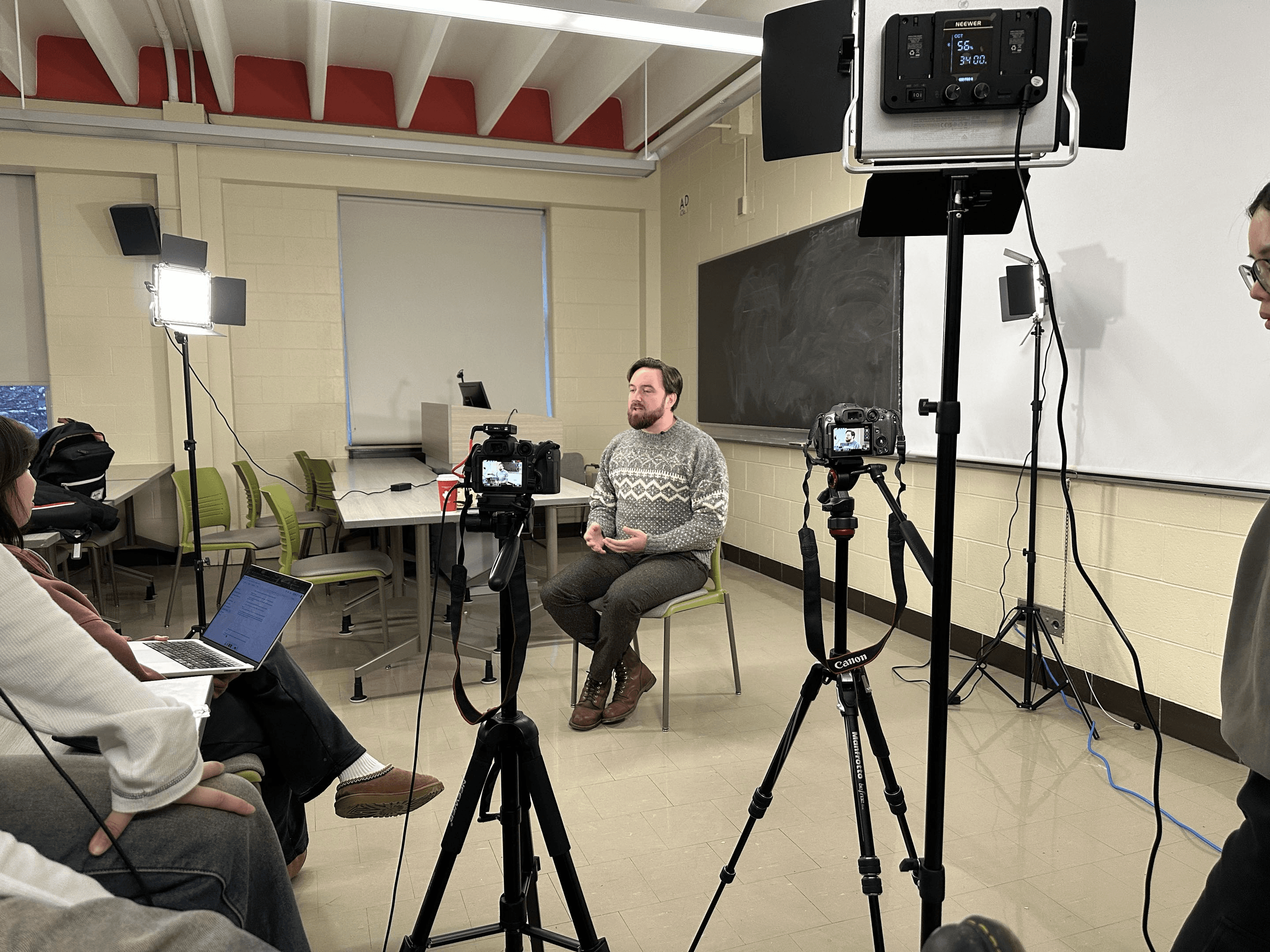
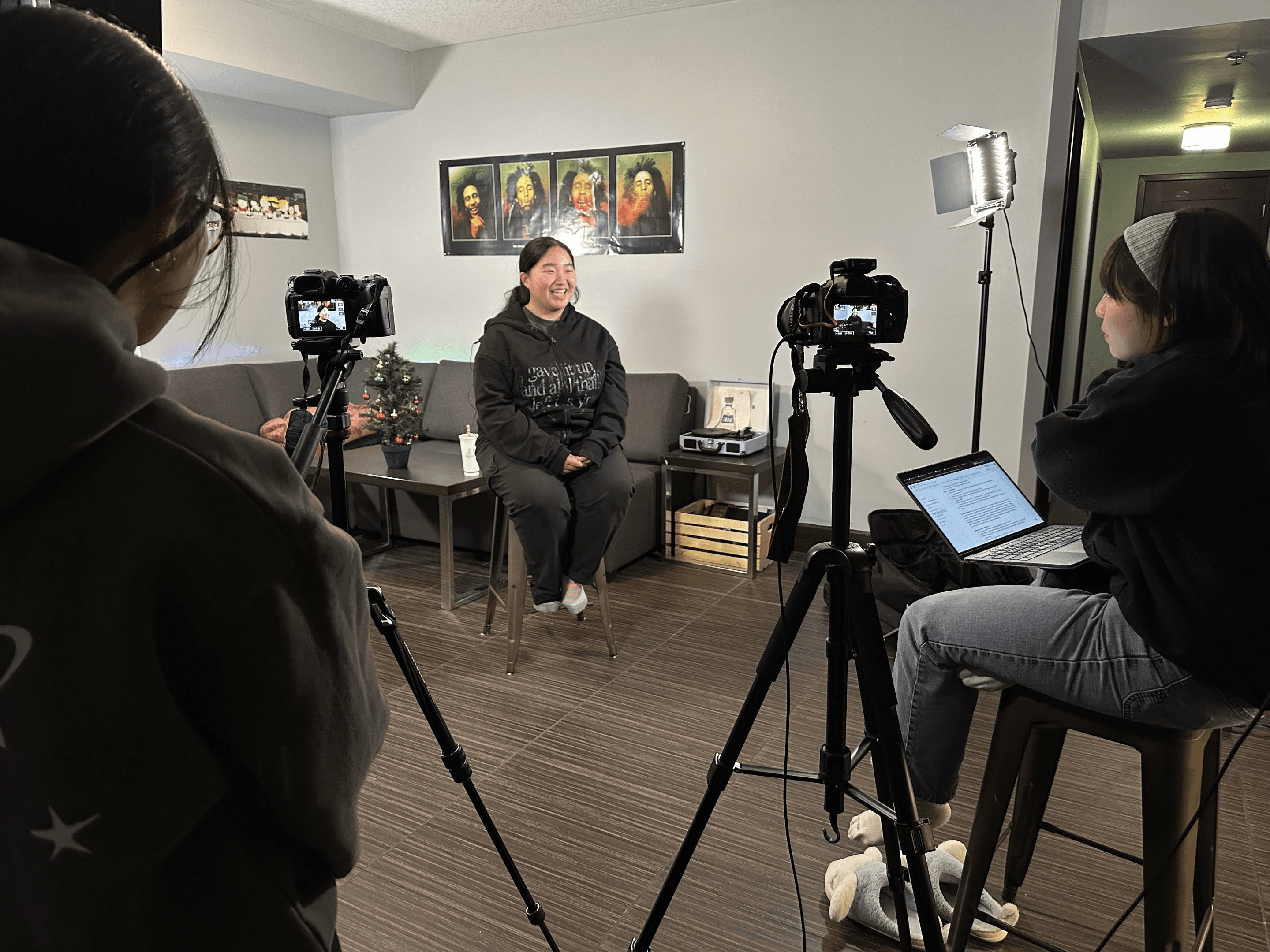
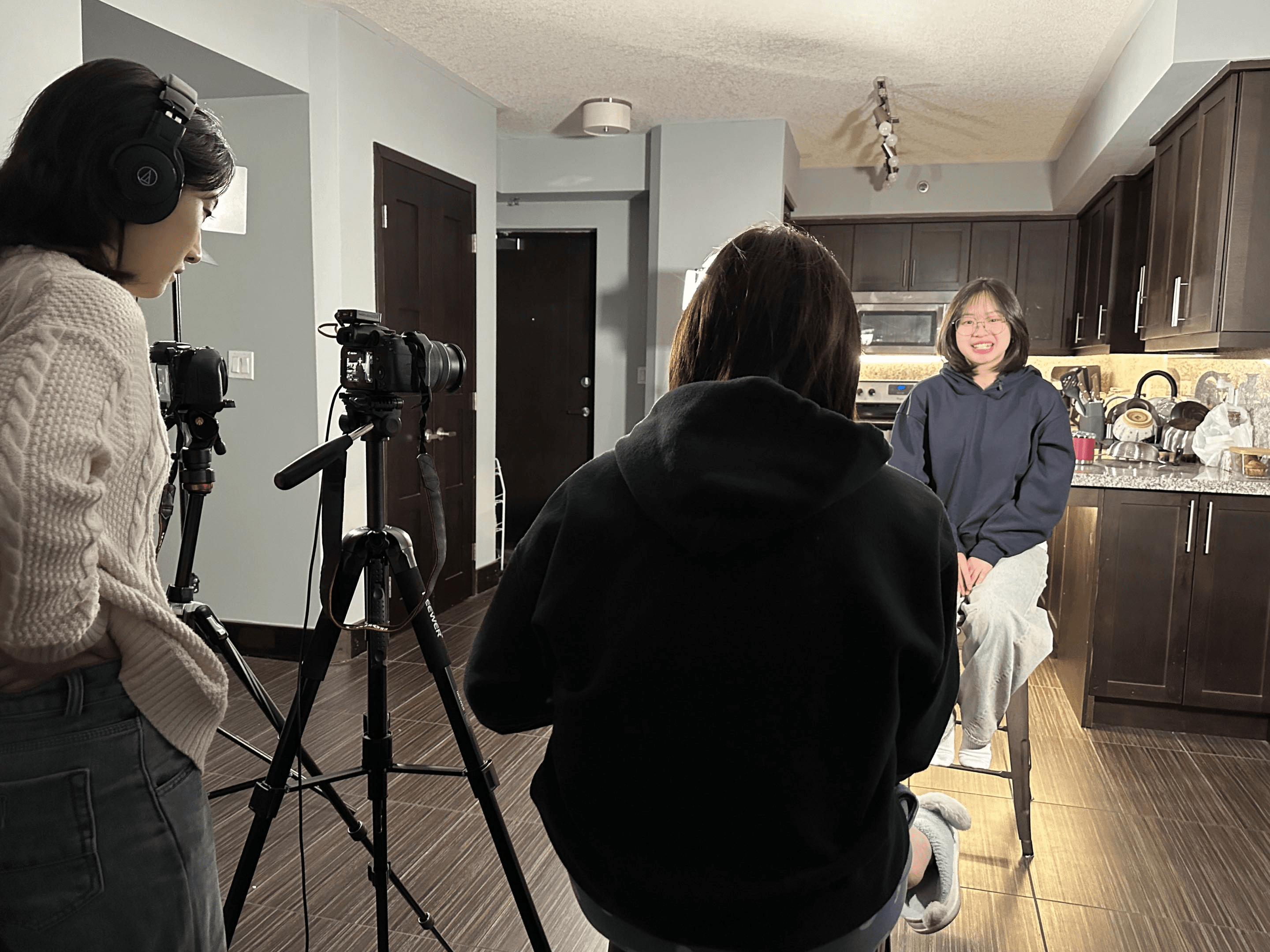
Given the task to create a 4-8 minute documentary for GBDA 201 (Fundamentals of Video Design), my group decided to tackle on the culture of over-consumption among young people. The documentary features two collectors sharing their experiences of what collecting means to them, then delving into the economic viewpoint explained by an economics professor at the University of Waterloo.
ROLE:
PRODUCER
DIRECTOR OF PHOTOGRAPHY
EDITOR
RESEARCHER
DURATION:
OCT 2025 - NOV 2025
TOOLS:
PREMIERE PRO
CANON R7
3-POINT LIGHT KIT
RODE WIRELESS MICS
SYNOPSIS:
The documentary “Add to Cart” explores the overconsumption of collectibles and the influence of rapidly changing trends in contemporary society. From Stanley Cups and Owalas to fidget spinners and Labubus, trending products quickly become “must-haves,” despite offering little functional value and often carrying inflated prices. Driven by factors such as FOMO, social acceptance, aesthetics, and personal happiness, consumers blur the line between wants and needs as social media amplifies hype and social validation.
The documentary examines why consumers continue to overspend on collectibles whose popularity often fades within weeks or months, leaving many discarded or forgotten. It also explores economic influences, such as the “lipstick effect,” where consumers turn to small luxury purchases during financial instability. Through interviews with collectors and professors in Waterloo, “Add to Cart” aims to uncover the psychological, social, and economic motivations behind overconsumption while encouraging audiences to reflect on and combat their own shopping habits.
PROCESS AND CHALLENGES:
With tight schedules and time constraints, we had to create the pre-production plan to fit our schedules along with the interviewees schedules. During our pre-production phase, one of the selected interviewees we had backed down due to their restriction of travelling to Waterloo. Fortunately, we planned back-up interviewees for these types of situations.
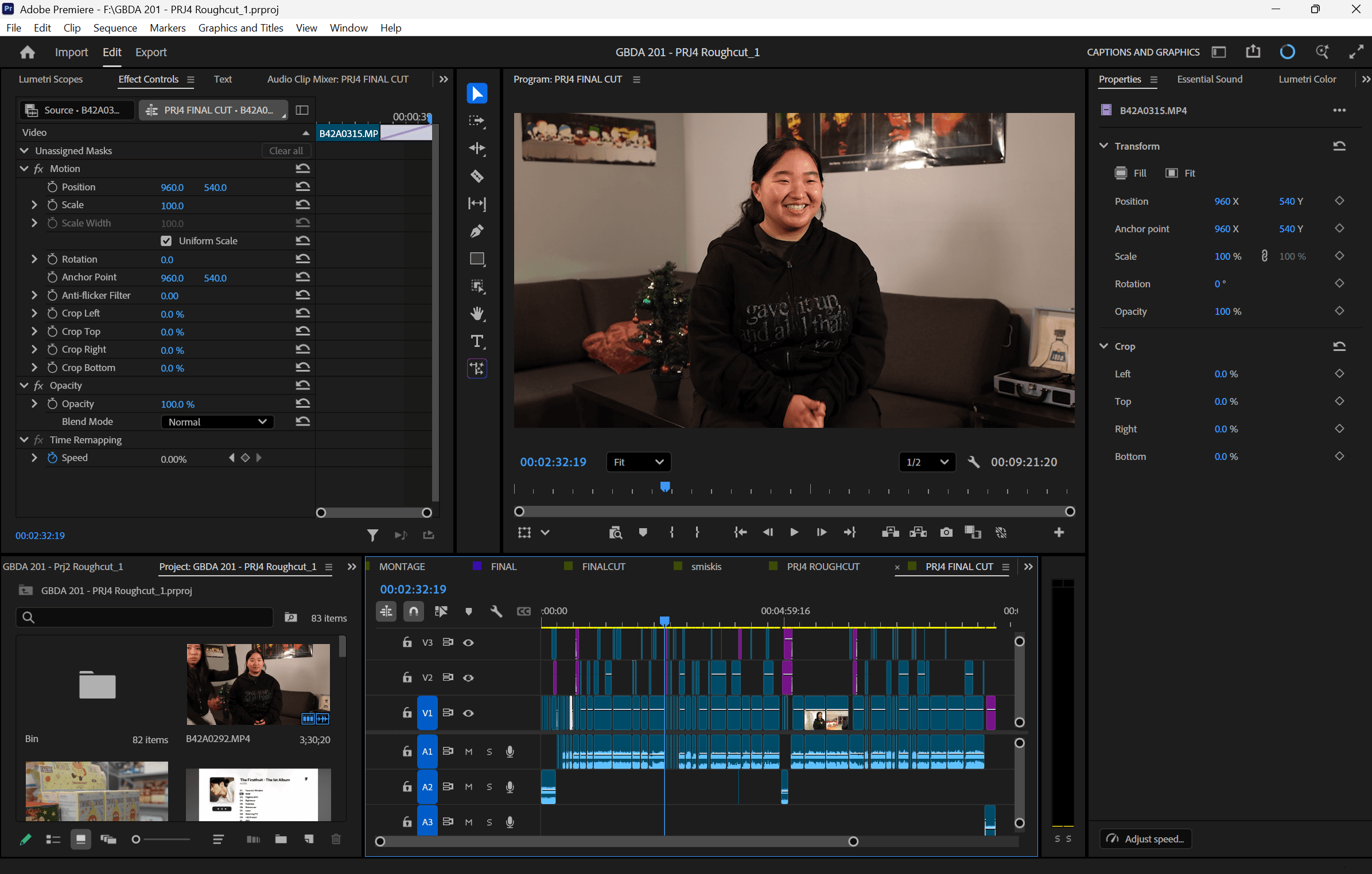
After the rough-cut was finished, we received feedback that more B-Roll would enhance the interviews. With only a week to finalize the documentary, I decided to travel to Toronto to film more B-Roll in stores the subject of the interviews. The additional B-Roll helped with the engagement of the documentary and helped with the visual communication that was needed.
Additionally, I struggled to cut down some parts of the documentary and had to decide which parts felt relevant and what needed to remove. With the rough-cut being close to final cut, there wasn't much changes needed.
RETROSPECTIVE:
This project helped me develop skills for pre-production planning and time management. This is my first large-scale video production that I have done and adapting to this workflow was a unusual, but fun experience. In the past, I always wanted to create a documentary or short film to further explore the world of videography and having the chance to finally make one was thrilling. Producing and executing a documentary was one of my favourite projects of Fall 2025 semester and inspires me to make a short film in the future as a passion project. I believe this documentary is one of my best works and I'm still proud of the camera work, editing, and overall quality of this project!